


On-Going Research Projects

Pathways to Sustainable Consumption Behaviour: Using the Power of AR and VR Technologies in Driving Circular Movements in Hong Kong
The Hong Kong Government promotes the circular economy’s 3Rs—reducing, reusing, and recycling—as key strategies to address climate change and pollution. Recycling is crucial for conserving resources, reducing waste, and minimizing environmental impact. However, despite educational efforts, the extent to which teenagers develop long-term sustainable habits remains unclear, highlighting the common “attitude-behavior gap.” This study explores how immersive technologies, augmented reality (AR) and virtual reality (VR), can motivate teenagers in Hong Kong to adopt sustainable recycling behaviors. Using the stimulus-organism-response (S-O-R) framework, it integrates innovation diffusion and customer value theories to examine how gamified experiences influence teenagers’ perceptions, attitudes, and habits. The first study investigates how AR/VR games affect attitudes and behaviors toward sustainability. A follow-up study tracks participants over three months to assess habit formation. Findings will provide insights into using immersive technologies to foster lasting sustainable behaviors.
Interdisciplinary Explorations of Language Aptitude in the Digital and GenAI Era: Innovations and Opportunities
Recent years have witnessed notable advances in language aptitude theories and assessment batteries (Wen, et al., 2019; Wen, Skehan & Sparks, 2023). Despite its significant predictive power, the nature of language aptitude and the mechanisms behind it remain largely unclear, as do its optimal applications and pedagogical implications for language learning in diverse contexts, including digital and metaverse environments (Li Ping, 2022). The recent crisis of the COVID-19 pandemic coupled with the emergence of large-language models (LLMs) such as ChatGPT and DeepSeek, have significantly complicated the intricate landscape of language learning and teaching. In the prevalent digital and GenAI era, new questions have arisen that call for new answers from language researchers and educators in general, and language aptitude researchers in particular. For example, will our existing understanding of language aptitude still hold true in this new era? Will aptitude theory function as effectively as before? Or, most importantly, do we need to develop new components or new theoretical models of language aptitude in the GenAI era when programming and coding languages are commonplace phenomena?
Considering these new developments and emerging issues, we feel the imperative to revisit the concept and assessment of language aptitude and re-evaluate its potential implications for language learning and teaching in today’s evolving landscape. That is why we propose to convene and organize this international conference with essential support from the IIDS grant. Through this project, we aim to bring leading experts, laboratory directors and active investigators with their world-distinguished expertise from multidisciplinary fields of applied linguistics, psycholinguistics, language testing, educational psychology, cognitive psychology, computational linguistics, genetics, and neuroscience to gather in Hong Kong for three days of intensive interdisciplinary dialogue. Through various formats, including pre-conference workshops, conference presentations and round-table seminar discussions, we seek to present an updated view of language aptitude theories and assessment tools, while further exploring new constructs, new theoretical models and new applications that will address and tackle the thorniest issues arising from the current digital and GenAI era.
Discovering Optimal Prompting Methodologies for Large Language Models via An AI Prompting Expert System with An Application on Computing Education
Building upon AI technology, an avantgarde Self-diagnostic English Language Assessment System (SELA System), which supports adaptive learning, is needed to specifically cater for Hong Kong sub-degree and degree students in the self-financed institutions, for their disparate English backgrounds and self-learning needs. SELA, an all-rounded self-access online system, evaluates multiple aspects of learners’ English, including pronunciation, grammar, vocabulary, reading and listening. It aims to address the shortcomings of existing online English tests in which questions are not generated in an adaptive mode and oral skills are seldom assessed. Another major advantage of SELA is the provision of objective and comprehensive reports with statistical analysis that informs the stakeholders of students’ specific learning needs. Overall, the launch of the SELA System is expected to significantly contribute to students’ academic success and cultivate self-learning motivation for their future career prospects.
Fostering Student Feedback Literacy Through A Technology-Mediated Multimodal Platform: A Teacher-Student Collaborative Approach
Students in higher education consistently rely on teacher feedback to excel in academic writing. Organizing teacher-student conferences is crucial to improving feedback literacy and enhancing their writing skills effectively. Given the rise of online and blended learning, this pioneering project aims to develop a technology-mediated multimodal platform through a teacher-student collaborative approach to address the limitations of existing one-size-fit-all platforms like Zoom, Blackboard, and Google Meet. The project involves modifying the existing subscribed Microsoft Teams and creating a mobile application with progress-tracking portfolios, supporting various feedback modes. The team will assess L2 student engagement with multimodal feedback, its impact on feedback literacy development, evaluate effectiveness of the platform, and identify usage factors. Anticipated findings will advance feedback literacy, enhance student engagement and learning outcomes, and contribute to curriculum design and teaching methodologies.
The following is the interface of the platform.
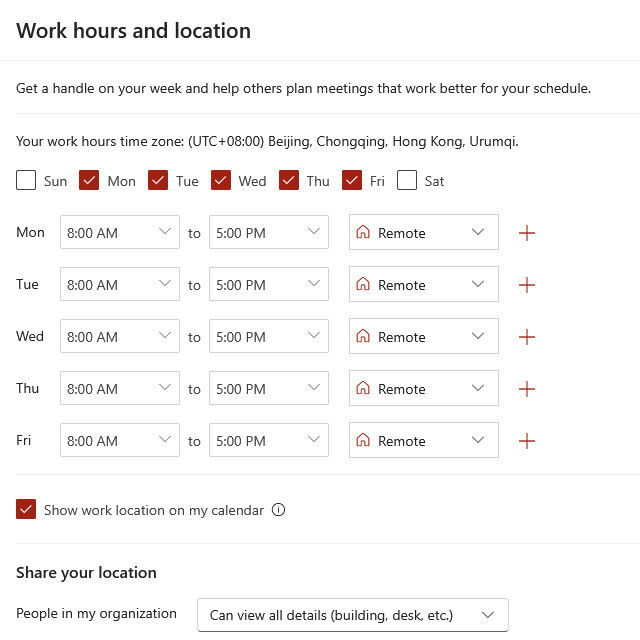 Appointment scheduling |
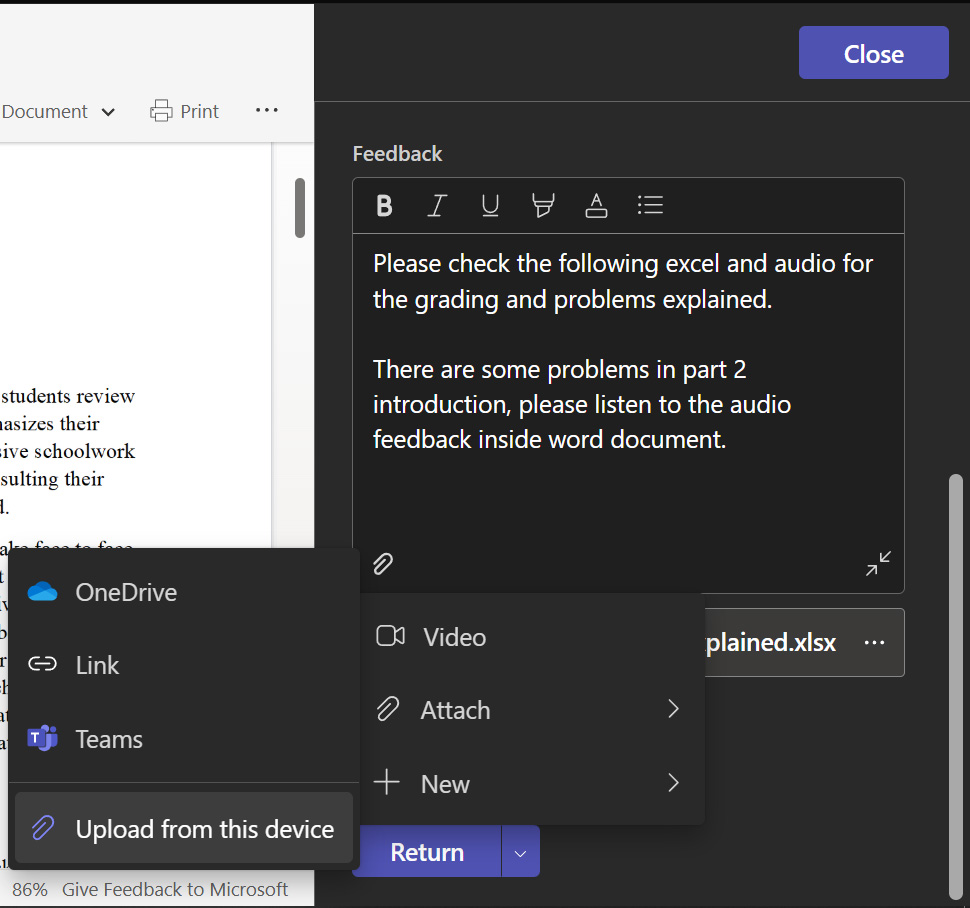 Teacher give feedback in text, audio, and video files |
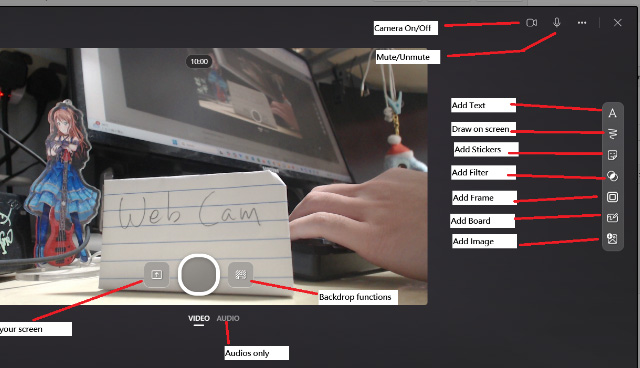 Users can make audio and video recordings |
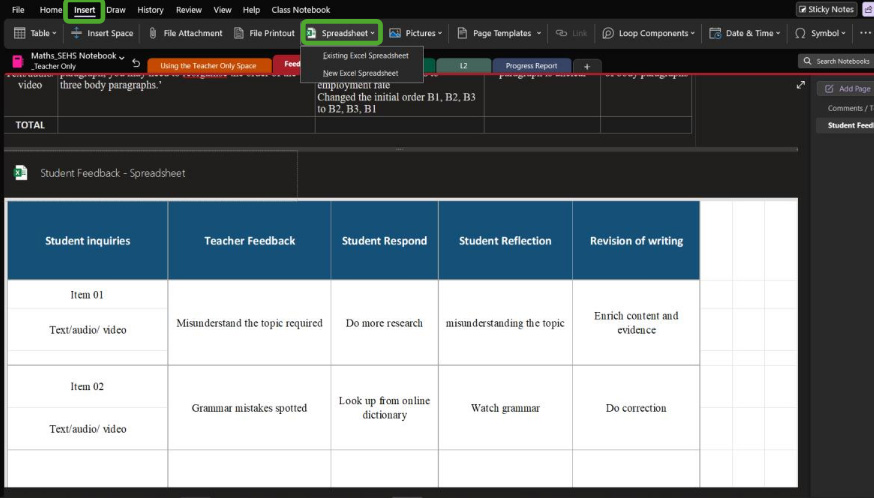 Student portfolios |
The platform is designed to enhance students’ feedback literacy, thereby improving their learning outcomes. It features multiple functions, including appointment scheduling, the ability to upload text, audio, and video files, as well as a student portfolio to track learning progress.
A Framework for Understanding the Acceptance of Student Created Screencasts by Teachers and Students to Implement Active Learning
AI-assisted Self-diagnostic English Language Assessment System (SELA System) for Sub-degree & Degree Students
Building upon AI technology, an avantgarde Self-diagnostic English Language Assessment System (SELA System), which supports adaptive learning, is needed to specifically cater for Hong Kong sub-degree and degree students in the self-financed institutions, for their disparate English backgrounds and self-learning needs. SELA, an all-rounded self-access online system, evaluates multiple aspects of learners’ English, including pronunciation, grammar, vocabulary, reading and listening. It aims to address the shortcomings of existing online English tests in which questions are not generated in an adaptive mode and oral skills are seldom assessed. Another major advantage of SELA is the provision of objective and comprehensive reports with statistical analysis that inform the stakeholders of students’ specific learning needs. Overall, the launch of the SELA System is expected to significantly contribute to students’ academic success and cultivate self-learning motivation for their future career prospects.
During the first nine months, the project team has been dedicated to completing the tasks of (1) building the Uiux design of the SELA test platform and ensuring its essential research features such as consent collection, automatic data filtering, and Excel exports for analysis, (2) setting up the reader-friendly Blackboard info page, (3) collating various global references to producing the question bank which covers five different components: listening, reading, grammar, vocabulary and speaking, (4) monitoring the quality and accuracy of the questions at 4 different levels of difficulties, which will be used to teach AI as the foundation to generate more relevant and updated questions, (5) collecting students’ and lecturers’ feedback to refine the system with the questionnaire emphasizing clarity and brevity during the pilot run, and (6) elaborating on the SELA’s rationale and mechanism to enable AI in helping students track their English proficiency efficiently in the International Summit on the Use of AI in Learning and Teaching Languages and Other Subjects (AIinLT) in July 2025.
Lantau Ming and Qing Dynasty Coastal Defense Facilities Education Project
Lantau Island was an important military strategic location for China during the Ming and Qing Dynasties. Coastal defense facilities such as Diversion Fort, Tung Chung Walled City and Fort are important carriers for understanding this period of history. Activities under this project include on-site photography and sketching inspections, augmented reality for specific scenes, sound stories at checkpoints, and board games, etc., to increase the public’s understanding of the site selection, design, construction and operation of Lantau coastal defense facilities, and its important role in modern China.
 Main Cate with seven holes |
 The fort’s Outer Wall |
 The Stone Circular |
 Fan Lau Tin Hau Temple |
Opportunities in the Future Dual Metropolis City: Boosting Students’ Employability through Cross-Region Internships & Entrepreneurship
This project has been making significant contributions to enhancing students’ employability through cross-region exchanges and entrepreneurship initiatives. In its initial stages, the project provided 12 industry seminars and an Entrepreneurship Bootcamp comprising 11 workshops, all designed to enrich the educational journey of students. These initiatives aimed to provide students with practical skills and insights vital for their future endeavours. To offer students a hands-on experience, an Entrepreneurship Competition, namely International Entrepreneurship Case Competition 2025 (IECC), was conducted. Following the competition, a GBA Symposium was convened. GBA tours were organized to facilitate direct experiential learning opportunities for students to broaden their horizons.
Effectiveness of Early Support to At-risk Students Identified by using AI Prediction
The project plans to develop an artificial intelligence (AI) prediction model using a deep artificial neural network (ANN) approach. The prediction model is aimed at identifying the group of students who are at-risk of failure, dropping out or withdrawing from their studies in an early stage. Then necessary support can be provided to assist them in successfully completing their studies. Our objective is to evaluate the effectiveness of early support to at-risk students, in terms of minimizing the failure rate, drop-out rate and withdrawal rate. Unlike most research works that focus on the prediction in a specific course, our design would consider a more generic view of at-risk students in tertiary education. By doing so, our prediction model can be applied to a wide range of courses and is suitable for students of different backgrounds.
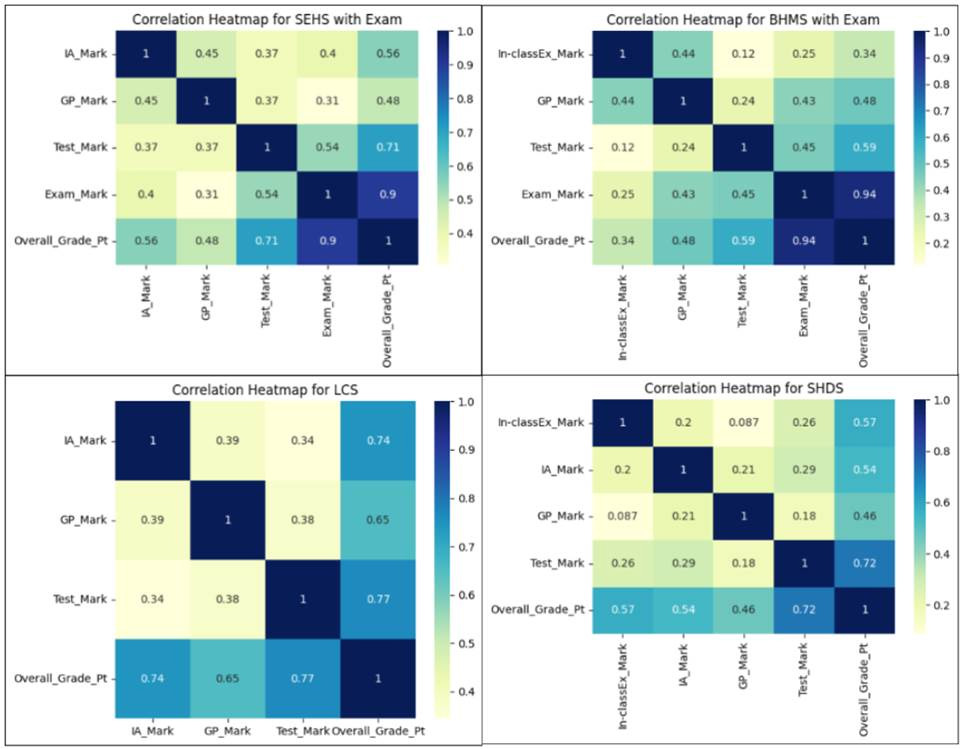
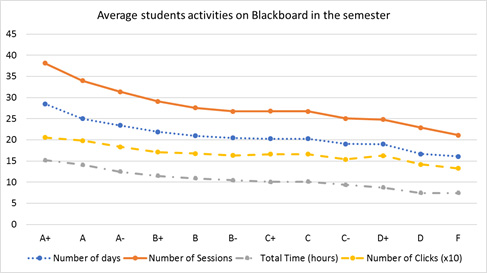
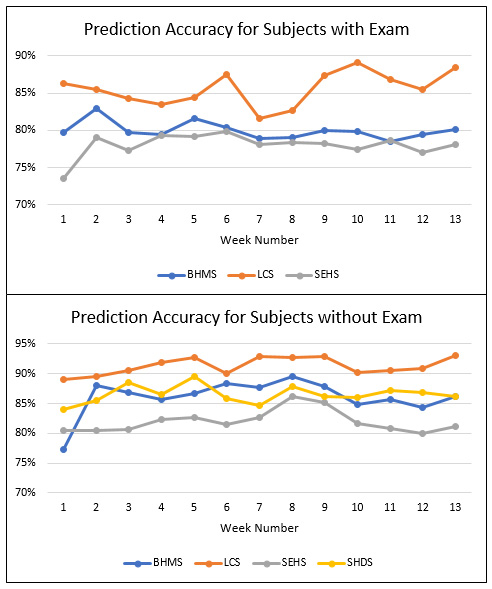
Prediction accuracy for subjects with and without exam
A Multimodal Discourse Analysis of Dynamic Handwritten Annotations as Visual Aids in Live Lecture Recording
This 24-month project examines the meaning-making practices of handwritten annotation by collecting and analysing live lecture recordings in a tertiary institution through Multimodal Discourse Analysis informed by Systemic Functional Linguistics. The project also investigates the learners’ perceptions and experience of using learning materials with dynamic on-screen handwritten annotations and the observed instructors’ practices of dynamic on-screen handwritten annotations in live lectures through class observations, surveys and interviews.
Improving the Student Learning Experience by Helping Teachers Develop and Utilise Chatbots
The objectives of this project are as follows:
- To enable the teachers to appreciate the benefits of using chatbots to complement classroom and/or online teaching.
- To enable the teachers to develop a chatbot for their courses to complement classroom and/or online teaching.
- To improve the student learning experience by providing instant 24-hour feedback.
- To enable teachers to share the knowledge and experience pertaining to chatbot usage to enhance effective achievement of subject intended learning outcomes.
- To promote chatbot usage to teachers from our institution and other self-financing tertiary education institutions by enhancing understanding of the rationale, benefits, and methods of using chatbots.
The above objectives will be achieved through a series of seminars, workshops, a website and synchronous online learning sessions. Teachers from other self-financing tertiary education institutions will be invited to join these activities so that more teachers can improve their pedagogy and practice to benefit students.

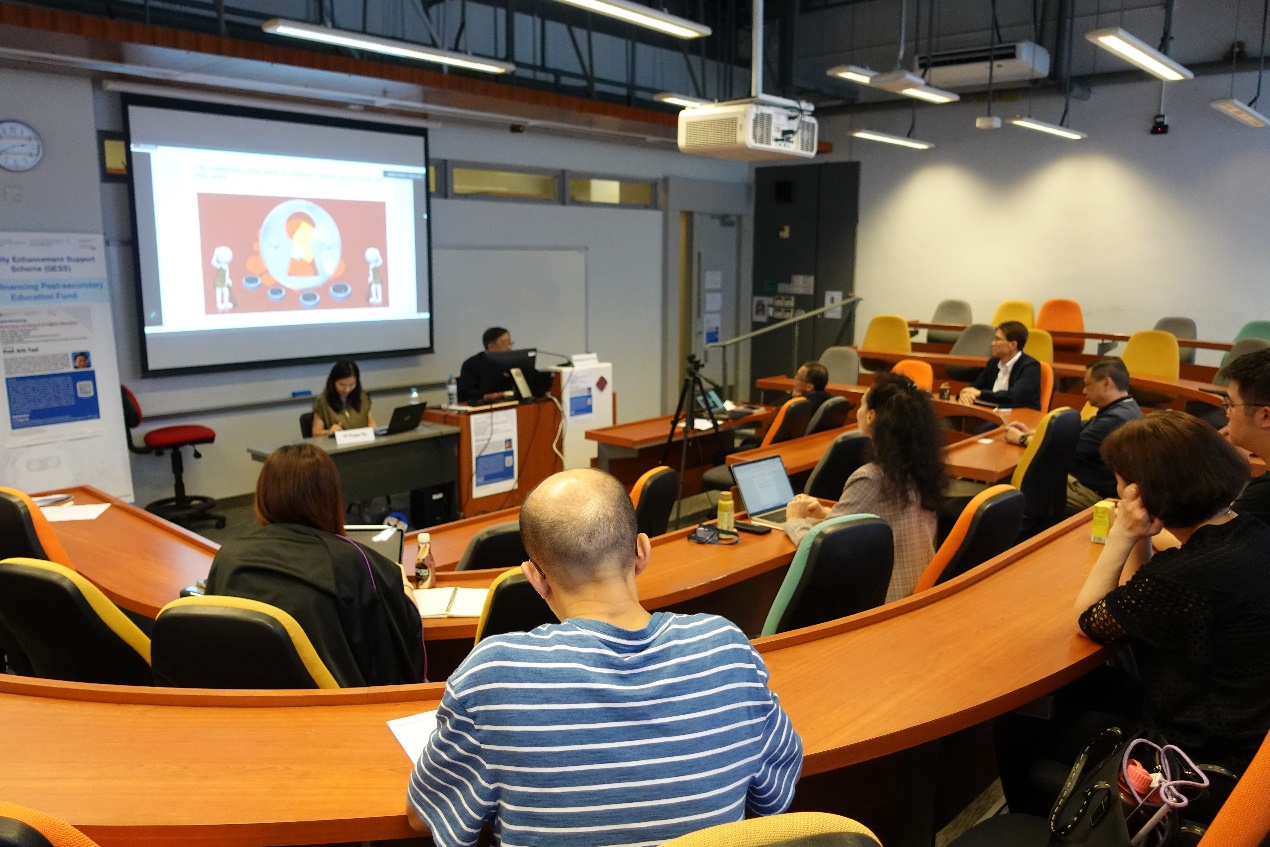
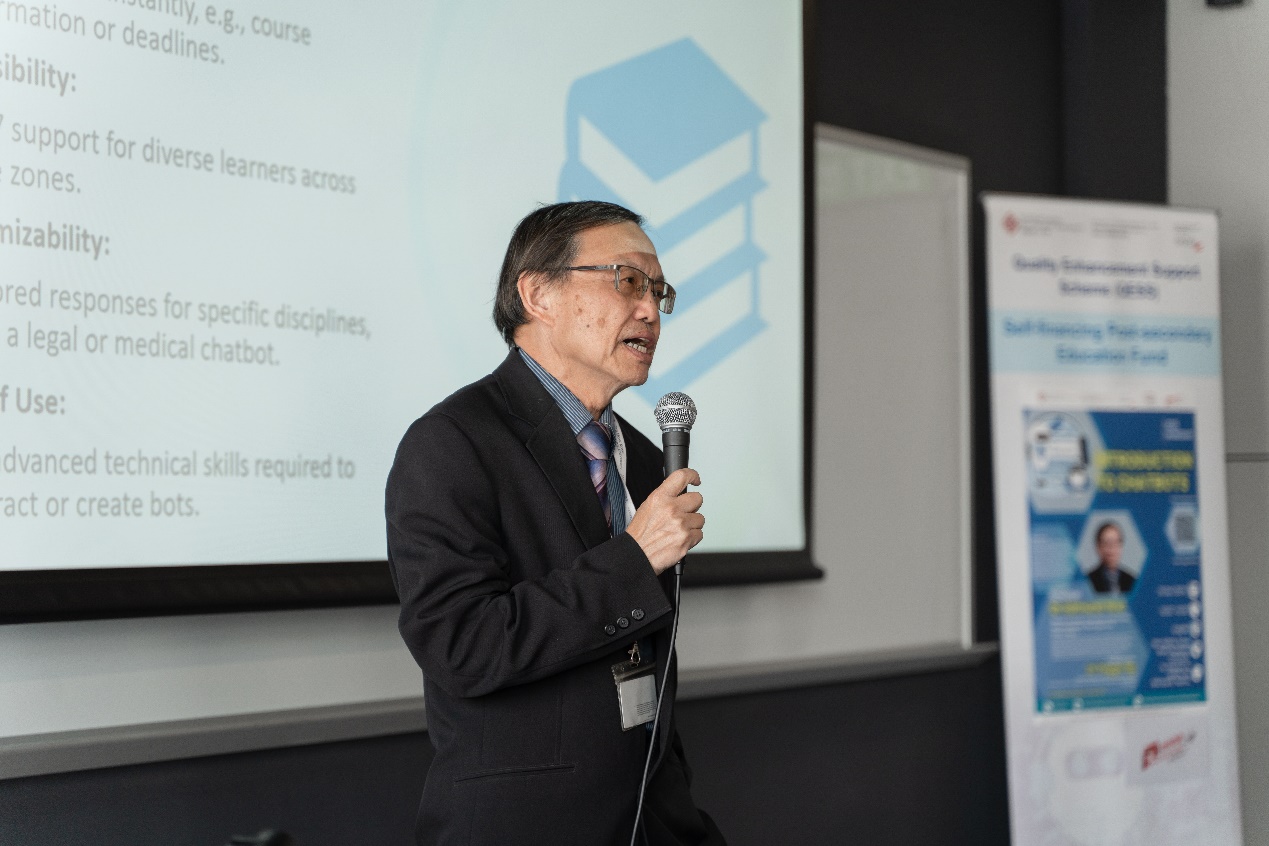
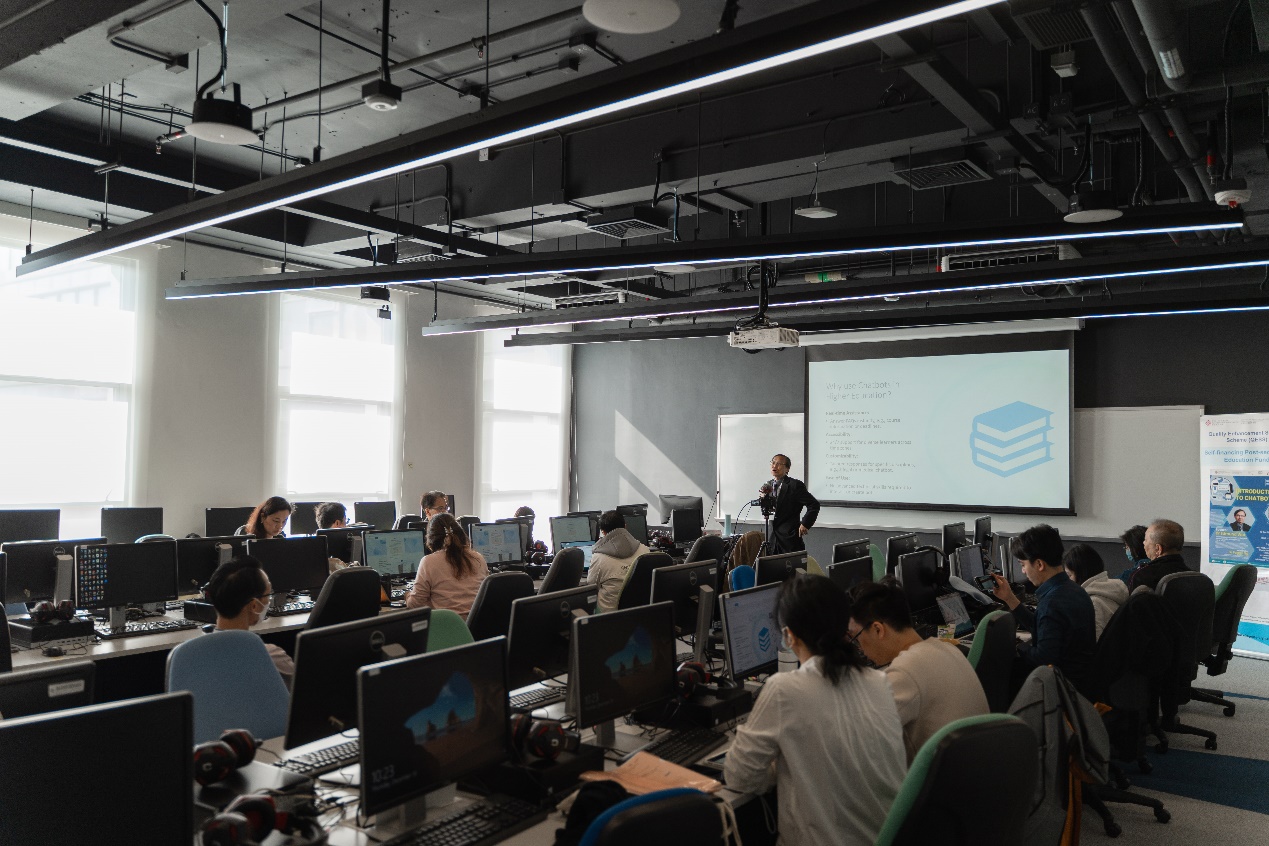
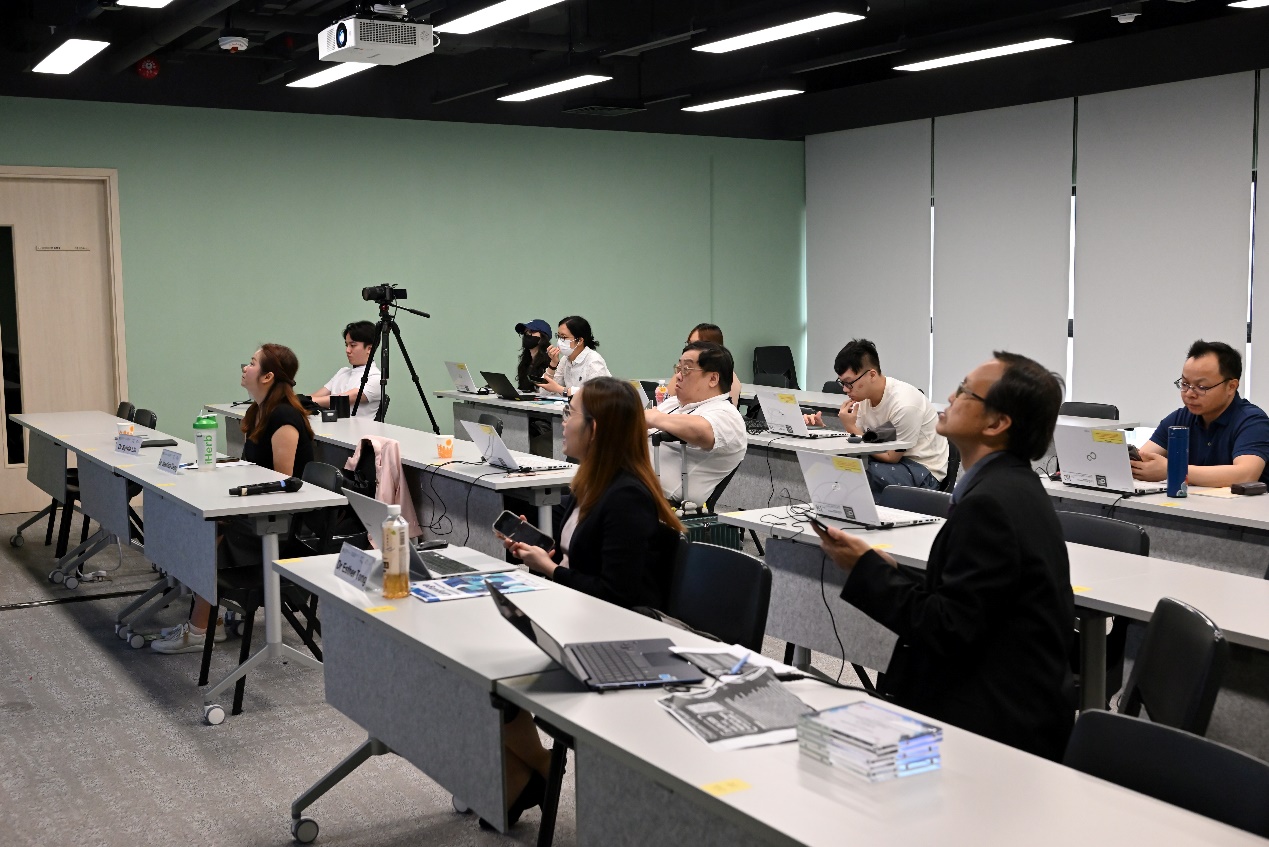
From May 2024 to May 2025, a total of 10 QESS events, including hybrid workshops and seminars, were successfully held, attracting 487 attendees from various self-financed tertiary institutions across Hong Kong. These events provided university teachers with valuable insights into integrating AI and Chatbots in teaching and research.
AI-Assisted Academic Writing Platform: An Interactive Cross-Disciplinary English Feedback System
PolyU SPEED aims to support students’ English literacy development through cross-disciplinary cooperation. The proposed AI-Assisted Academic Writing platform aims to provide all-round supervisory support that is unconstrained by time and location for students to improve their disciplinary academic writing performance. One of the most useful features of the proposed platform is the incorporation of AI text analytics technology. The platform will feature diversified functions to support self-directed learning and feedback communication. 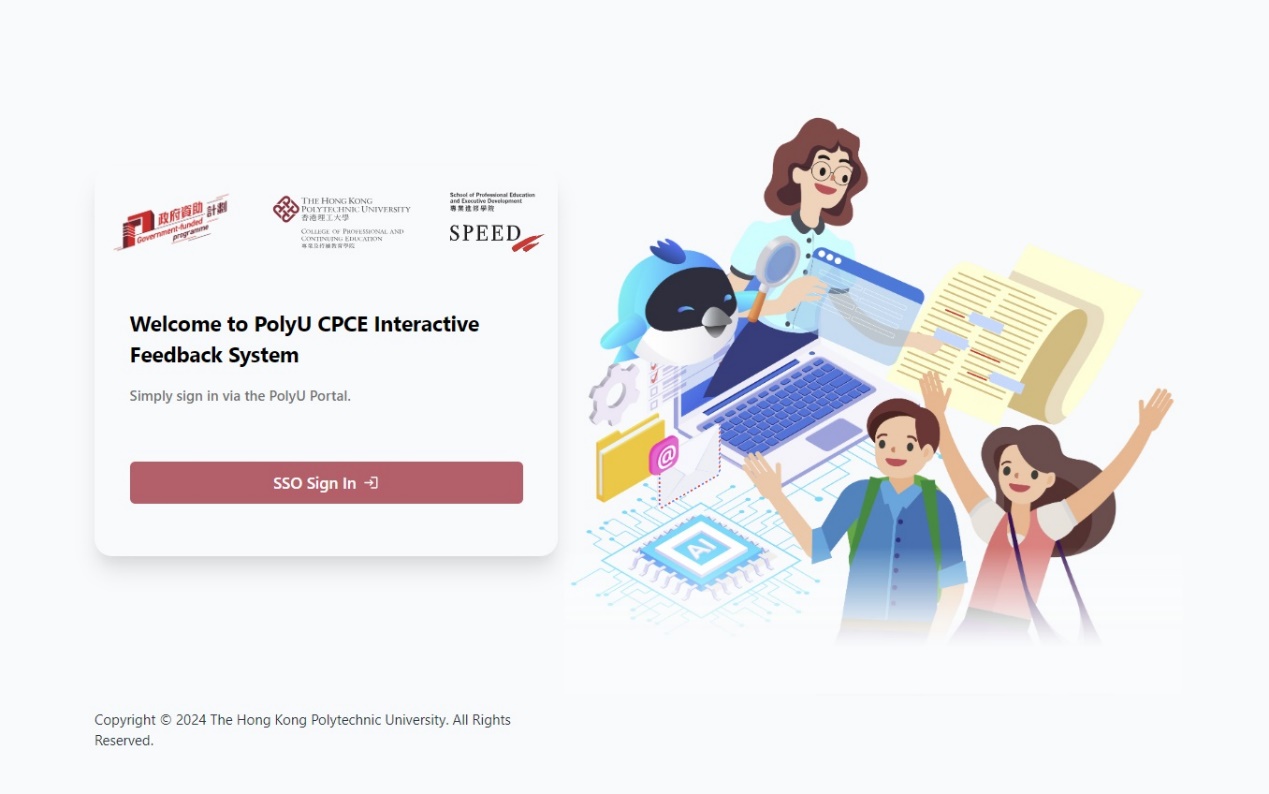 Interactive Feedback Platform
 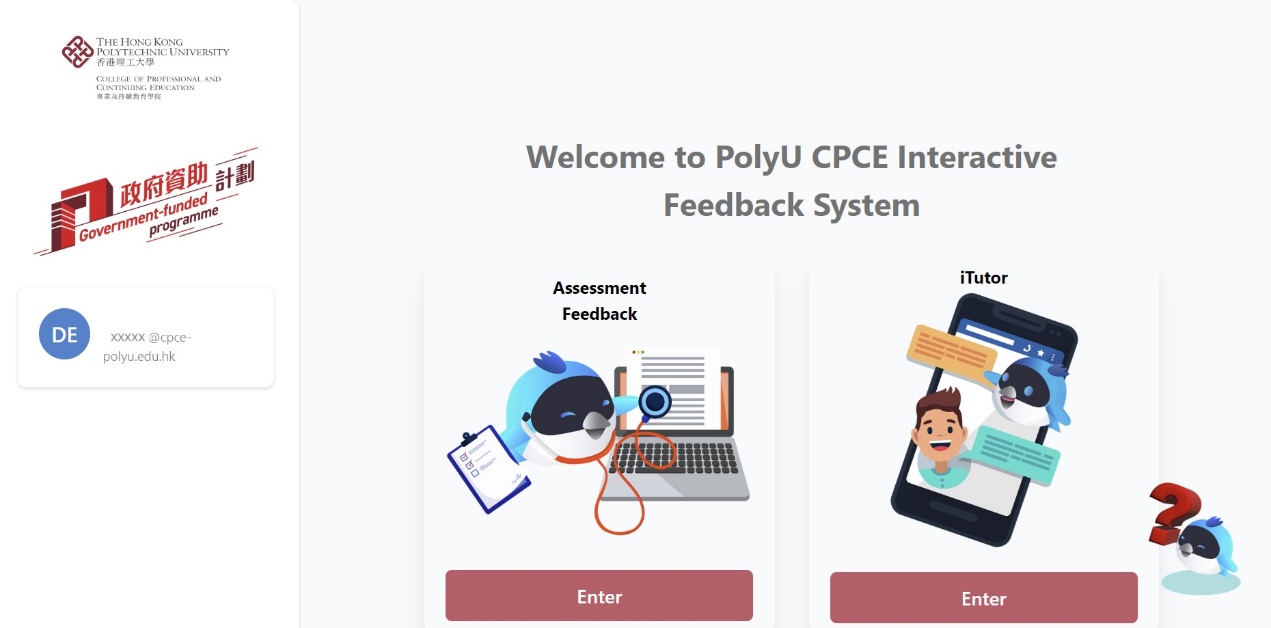 Link to the login page: Home – CPCE
 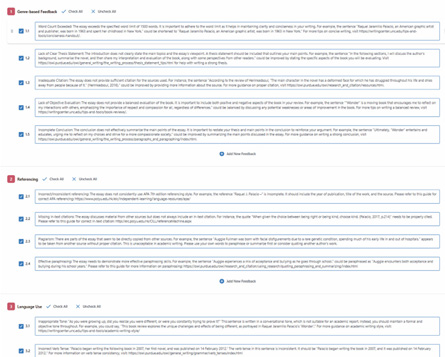 The screenshot of the interface where AI and human teachers co-construct tailored feedbacks on students’ writing through selecting, revising, adding, removing, and generating AI generated feedbacks